AMPYR Australia First Nations Equity Partnership
First Nations Equity in Clean Energy
Setting a new benchmark for shared ownership in Australia’s energy transition.
Australia’s energy transition is driving unprecedented investment in regional communities, creating a critical opportunity to redefine how First Nations communities participate.
AMPYR has set a new benchmark for shared ownership, establishing a model that can be adopted across the industry.
Partnering with First Nations communities to create long-term value
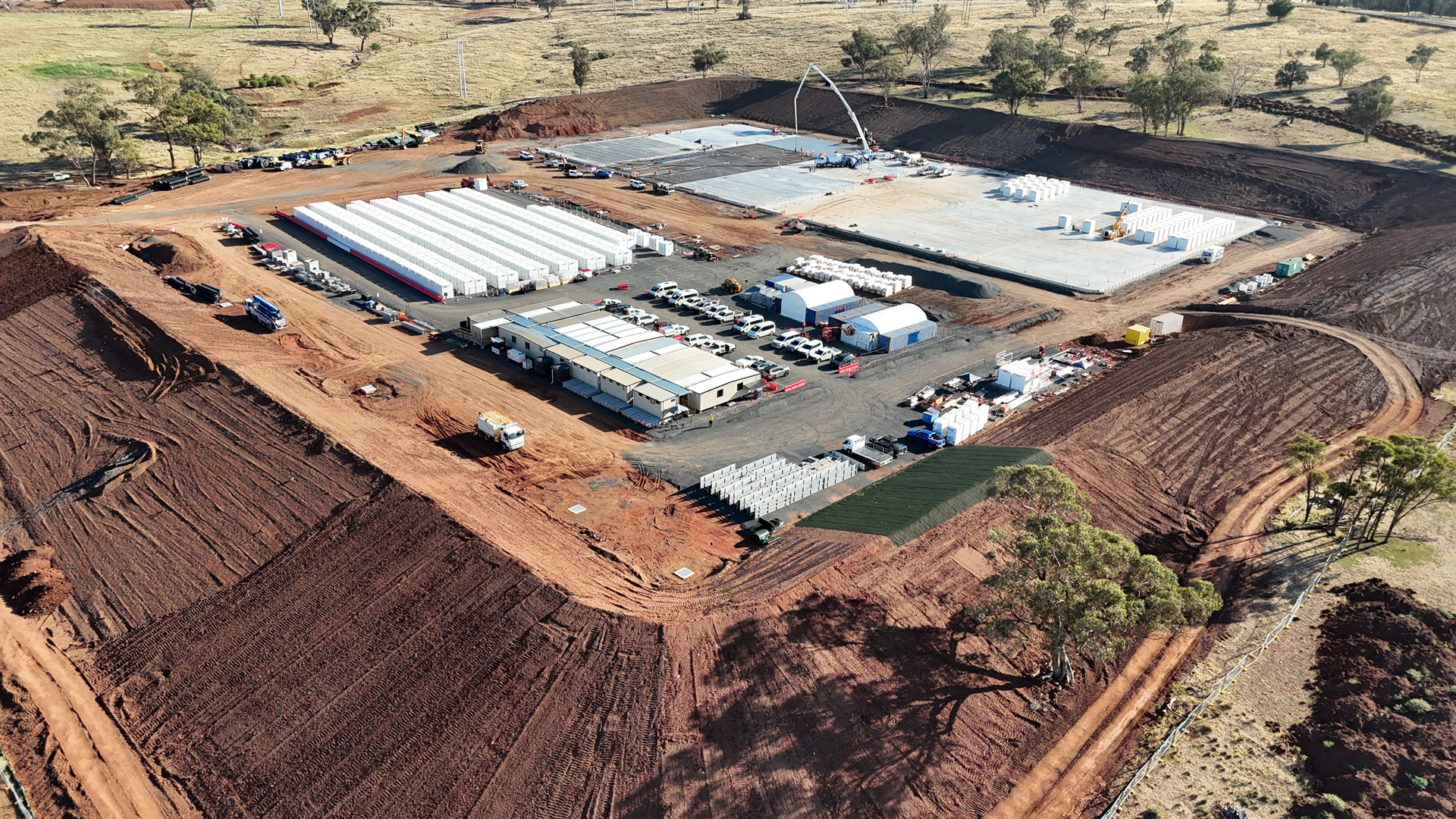
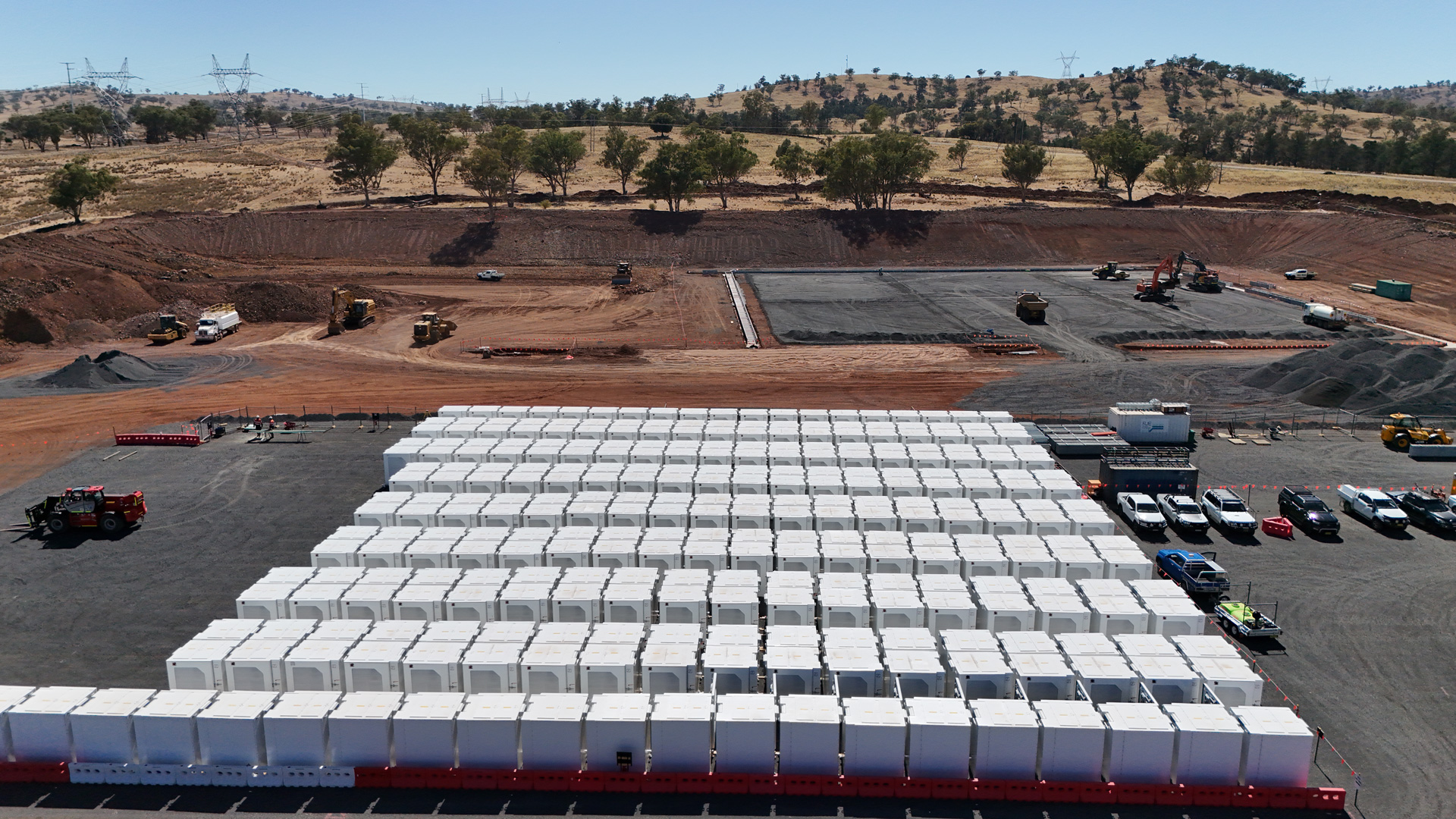
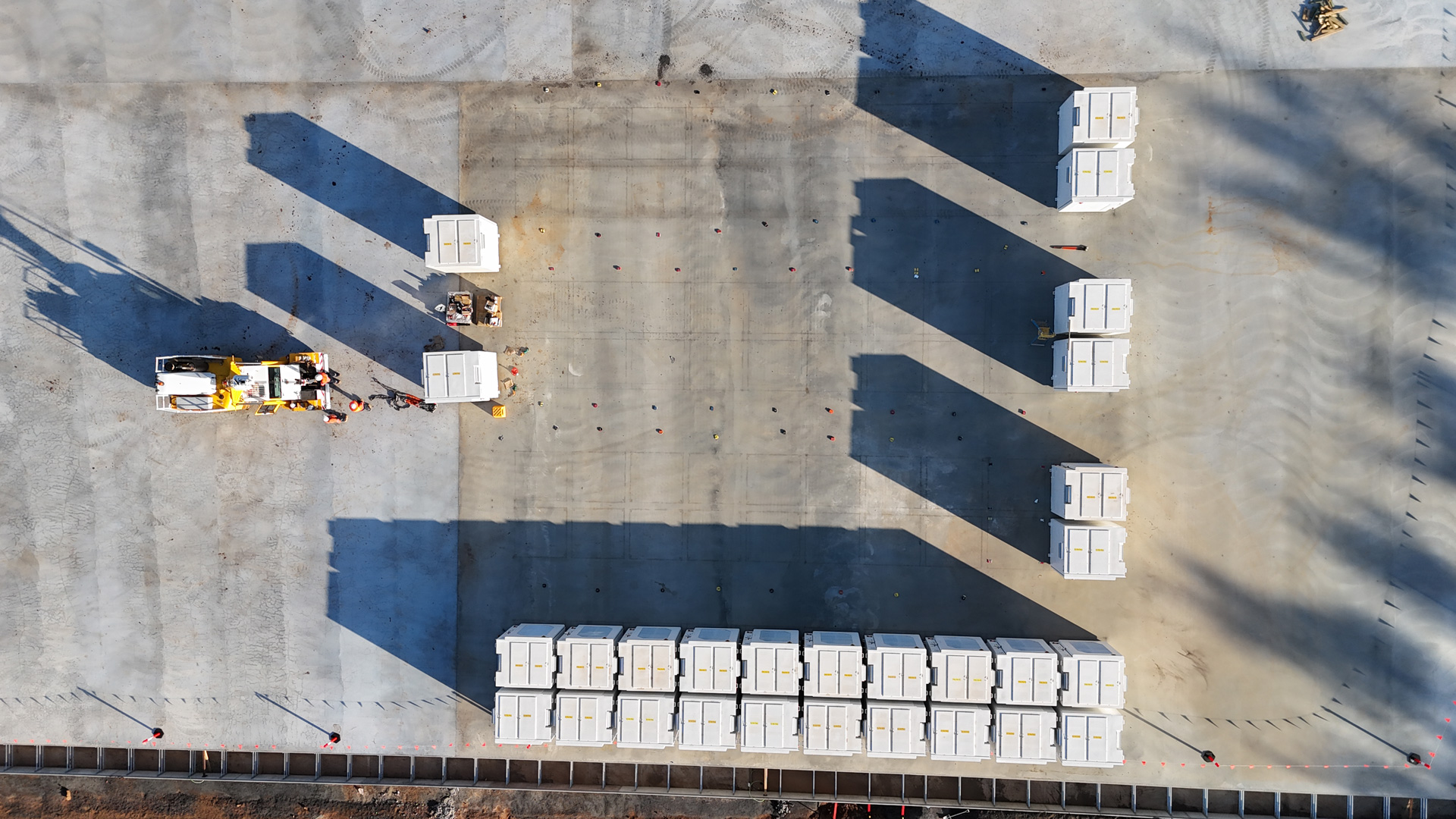
At the Bulabul Battery in Wellington, New South Wales, AMPYR has partnered with the Wellington Aboriginal Community to embed equity directly into the project.
Central to this is Wambal Bila, a community-controlled corporation that enables the community to invest in and benefit from the long-term value of clean energy infrastructure alongside other investors.
Shared ownership and long-term value
The community has the right to invest in a 5% equity stake, combining preferred fixed annual returns with long-term equity participation — expected to deliver ~$22–30 million over the 20+ year life of the project.
Building capability
The partnership goes beyond financial participation, with up to $300,000 in initial funding and ongoing support for capacity-building, training and governance.
Community-led governance
Wambal Bila is a community-controlled corporation, established to represent the Wellington Aboriginal Community and enable long-term investment in its economic, social and cultural priorities.
A model for the industry
AMPYR is sharing precedent documentation from this partnership to support broader adoption of First Nations equity models across the energy sector.
Looking ahead
AMPYR is exploring similar arrangements for future stages of the Bulabul Battery and intends to apply this model across its broader Australian battery portfolio in partnership with First Nations communities.
“This partnership ensures that the benefits of the Bulabul Battery project flow directly back to our community, enabling us to invest in our cultural heritage, create economic opportunities, and support the well-being of our people for generations to come.”
Wambal Bila Director